
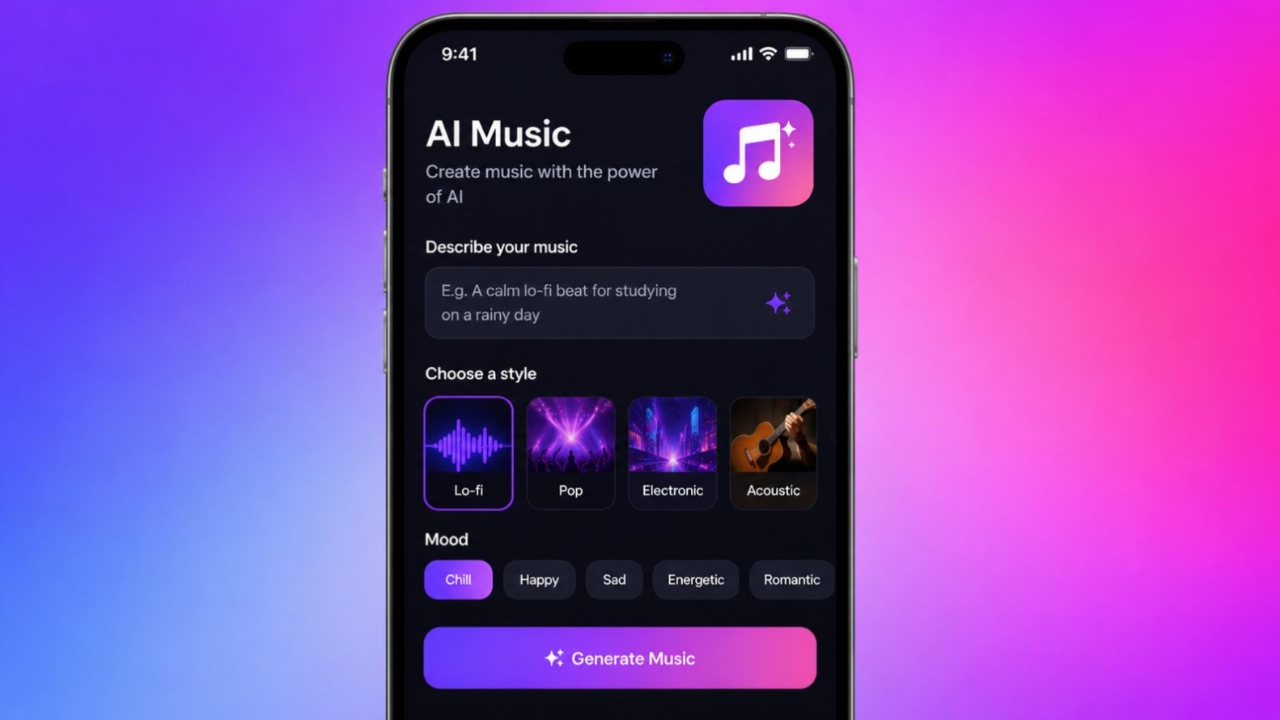

Modern AI systems create original songs within several quick seconds. Users need no instruments, studios, or difficult production software anymore to Make AI Music.
These smart tools help creators produce custom tracks affordably everywhere. Businesses, influencers, and beginners now create music without professional experience.
Make AI Music Using Modern AI Platforms
AI music generators create fresh songs using artificial intelligence systems. These tools study melodies, harmonies, rhythms, lyrics, and musical patterns carefully.
After learning music structures, systems produce completely original audio compositions. Users simply enter prompts describing moods, instruments, or musical styles clearly.
Traditional music production usually requires expensive recording equipment and software. Creators often spend many hours building complete musical arrangements manually.
AI music tools remove these difficult and time-consuming production requirements completely. One short prompt generates professional tracks within only several quick seconds.
Many modern AI platforms now create studio-quality musical compositions professionally.
Some systems generate short thirty-second loops for social media creators. Other advanced systems create full songs lasting nearly three minutes long.
These tracks contain intros, verses, choruses, bridges, and polished vocal sections. AI music systems also support multilingual vocals for worldwide creative projects.
Users can select languages, emotional tones, and different musical arrangements easily. Many tools even create lyrics automatically from simple written descriptions today.
This feature helps businesses launch global campaigns much more efficiently everywhere. Google’s Lyria 3 currently powers several advanced AI music generation platforms.
This technology creates crisp and high-quality thirty-second music clips very quickly. Lyria 3 Pro supports complete structured songs with longer musical arrangements.
Generated tracks contain vocals, instrumentation, melodies, and polished harmonies automatically.
Most AI music systems now support commercial usage rights for creators. Users legally use generated songs inside advertisements, podcasts, and online videos safely.
This removes expensive licensing fees and difficult copyright management processes entirely. Businesses save both time and production money using these creative systems.
AI music works best as a creative support tool today. These systems complement musicians instead of replacing emotional human artistic expression completely.
Many creators combine AI-generated sounds with traditional musical production methods successfully.
This balanced approach improves creativity while reducing production costs significantly everywhere.
AI Music Creation: Step by Step
Most AI music platforms follow very simple music creation processes today. Users only need creativity and basic prompts for excellent musical results.
Modern systems simplify audio production for beginners and professional creators alike.
Open The AI Music Platform
Start by opening your preferred AI music generation platform online first. Many systems include dedicated audio creation sections for worldwide users everywhere.
Switch into audio mode before beginning your music generation process carefully.
Several platforms provide different AI models for different creative requirements today. Short-form systems create fast loops for Reels and TikTok content quickly.
Long-form systems generate complete songs for podcasts and marketing videos professionally.
Write Strong And Clear Prompts
Prompt quality strongly affects generated music quality and emotional atmosphere greatly. Strong prompts include genre, mood, instruments, tempo, and vocal instructions clearly.
Better descriptions help AI systems understand musical expectations much more accurately today.
Simple prompts still create excellent tracks for beginner creators everywhere online. Users may request “soft piano with relaxing background beats” very easily.
Advanced creators often include BPM, musical keys, and vocal textures specifically.
Many systems also support custom lyric generation during music creation sessions. Users either write lyrics themselves or request automatic lyrical generation features.
Instrumental tracks require users mentioning “instrumental” within prompts very clearly.
Add Structure For Longer Songs
Long-form AI systems support complete song arrangement and timing controls today. Users define intros, verses, choruses, and bridges separately for smoother musical flow.
Timestamp prompts control specific musical moments during generated songs accurately everywhere.
Creators may request dramatic drops after exact timestamps during generated compositions. Others request vocals beginning later during the musical arrangement process carefully.
These features improve storytelling and emotional transitions within generated tracks naturally.
Upload Images For Better Mood Direction
Some AI music systems support image-guided musical generation features for creators. Users upload photographs, mood boards, or visual references very easily online.
AI studies visual atmospheres before generating matching musical compositions automatically afterward.
This feature helps users express emotions without complex written explanations sometimes.
Visual references improve emotional accuracy within generated background music significantly everywhere.
Marketing creators especially benefit from this fast and creative workflow daily.
Generate Multiple Music Variations
After completing prompts, users generate tracks within only several quick seconds normally.
Generated songs become available for instant listening and musical previewing immediately afterward.
Most creators test several versions before selecting final musical compositions carefully.
AI music improves through experimentation and repeated prompt changes consistently everywhere.
Small prompt adjustments often create dramatically different emotional musical atmospheres quickly. Users should always test multiple versions for stronger creative project outcomes.
Export And Use Generated Music
Most AI platforms export generated tracks using MP3 or MP4 formats easily. Some systems also include AI-generated artwork during music export processes automatically.
Generated tracks usually contain digital watermarks identifying AI-generated content clearly everywhere.
Many AI platforms now support commercial rights for business creators safely. Users place generated tracks inside advertisements, podcasts, or online marketing videos legally.
This reduces licensing concerns and expensive royalty payment requirements significantly everywhere.
Using Smart Prompt Writing
Prompt writing strongly shapes final AI-generated musical quality and originality today. Better prompts create more emotional, polished, and professional music compositions consistently everywhere.
Creators should follow proven strategies for stronger musical generation results.
Start With Genre And Mood
Genre and mood guide every musical element inside generated compositions directly. These details influence tempo, harmonies, instruments, and emotional atmosphere greatly everywhere.
Strong opening descriptions improve musical accuracy during AI generation dramatically today.
Examples include cinematic orchestral, emotional piano, energetic pop, or relaxing lo-fi. Mood descriptions improve emotional understanding within AI systems automatically during creation.
This process creates more engaging and emotionally connected musical compositions consistently.
Mention Specific Instruments Clearly
Specific instrument descriptions produce stronger musical arrangements during AI generation sessions.
Generic instructions usually create weaker and less memorable compositions unfortunately sometimes.
Users should mention two or three instruments for better creative direction. For example, a warm Rhodes piano creates stronger direction than “many instruments.”
Upright bass and brushed snares improve atmosphere generation significantly everywhere online. Clear musical choices guide AI systems toward polished results more efficiently.
Describe Vocal Styles Carefully
Vocals strongly affect emotional connection within generated musical compositions everywhere today.
Users should describe vocal tone, delivery, and emotional style very carefully. Better descriptions improve realism and emotional depth within generated tracks greatly.
For example, soft female vocals create different emotions than deep male vocals. Breathy vocal delivery creates intimate musical atmospheres for listeners everywhere online.
Detailed vocal prompts improve storytelling and emotional communication significantly today.
Reference Musical Eras
Musical era references help systems understand creative style expectations more accurately. Users reference classic rock, early hip-hop, or modern lo-fi music easily.
These references improve stylistic accuracy within generated compositions dramatically everywhere today.
Era references reduce confusion and improve musical consistency during generation processes successfully.
They help systems recreate specific production moods and arrangements naturally everywhere. This creates more recognizable and professional final musical outputs consistently.
Change One Prompt Element Slowly
Creators should adjust prompts gradually during experimentation and creative testing sessions.
Changing many details together makes improvements harder to understand afterward sometimes unfortunately.
Small adjustments reveal exactly which changes improved generated musical results successfully.
For example, creators change tempo while keeping original instruments completely unchanged initially. Others adjust vocal delivery while maintaining original musical structure very carefully.
This strategy improves learning and creative control over generated compositions significantly.
Helpful For Real Creative Projects
AI music supports many practical projects across modern content industries everywhere today.
Creators use generated music for advertisements, podcasts, and social media marketing campaigns.
Fast production helps businesses publish content much more efficiently online now.
Social media creators generate custom loops for short-form video platforms regularly today. Personalized tracks improve branding and audience engagement across digital platforms naturally everywhere.
AI music also supports educational content and product demonstration videos professionally.
Long-form videos benefit greatly from complete AI-generated background musical compositions today. Podcast creators use AI intros and outros for stronger branding consistently everywhere.
Businesses create promotional jingles without expensive production teams or recording studios anymore.
AI music also supports multilingual campaigns targeting worldwide audiences very effectively today. Some systems create vocals supporting several different languages inside one campaign.
This removes expensive re-recording requirements for international marketing projects completely everywhere.
Personal creative projects also benefit greatly from AI music generation technologies today. Users create wedding soundtracks and birthday invitation jingles very quickly online.
Many beginners enjoy experimenting creatively without professional musical backgrounds previously required.
AI music generators also help creators develop musical ideas much faster today. These systems allow quick prototyping before investing money into traditional production sessions.
Creators test concepts rapidly before finalizing larger creative music projects successfully.
Challenges Of Using AI Music Generators
AI music generators offer speed and convenience for creators everywhere today.
However, these systems still present several important creative and legal challenges.
Users should understand these issues before using AI-generated music commercially online.
Copyright And Ownership Questions
Copyright ownership around AI-generated music still remains unclear in many situations. Questions often arise regarding ownership between users and AI platform providers.
Fortunately, many modern tools now provide clear commercial licensing agreements everywhere.
These agreements explain usage rights and reduce legal confusion significantly today. Businesses should always review licensing terms before publishing generated musical content commercially.
Clear agreements protect creators from possible future ownership disputes completely everywhere.
Missing Human Emotional Expression
AI-generated songs sometimes lack emotional depth compared with human musical compositions naturally. Human musicians often add personal experiences and emotional storytelling into songs beautifully.
AI systems currently struggle matching these emotional creative details completely everywhere.
Many creators treat AI music as a first creative draft instead. They refine generated compositions using human editing and artistic improvements carefully afterward.
This balanced process improves emotional quality and musical originality successfully today.
Risk Of Similar Musical Sounds
Many creators now use similar AI tools and musical generation systems daily. This increases risks of repetitive or overly similar musical compositions everywhere online.
Some generated tracks may sound less original across different creative projects unfortunately.
Creators reduce repetition by combining different AI systems and unusual instrumentation choices.
Many users also apply custom sound effects during post-production editing carefully afterward. These strategies help generate music sound more creative and unique consistently.
As We Conclude
These systems simplify music production for creators across worldwide digital industries. Users make AI Music without expensive studios or musical experience anymore.
AI music supports creativity, faster production, and affordable content creation everywhere.